DMP2025 Malaysia
Starting in September 2025, nineteen officials from various Malaysian ministries and agencies will come to Japan to learn about Japan’s disaster management systems, policies, and on-the-ground practices.
This is a six-month disaster preparedness training program for Malaysian government officials.
This time, 19 officials from various Malaysian ministries and agencies will be visiting Japan from September 2025 to learn about Japan’s disaster prevention systems and on-site knowledge.
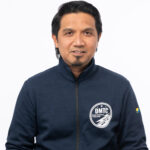
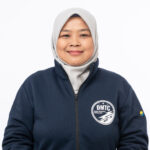
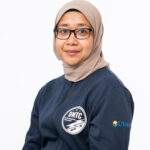
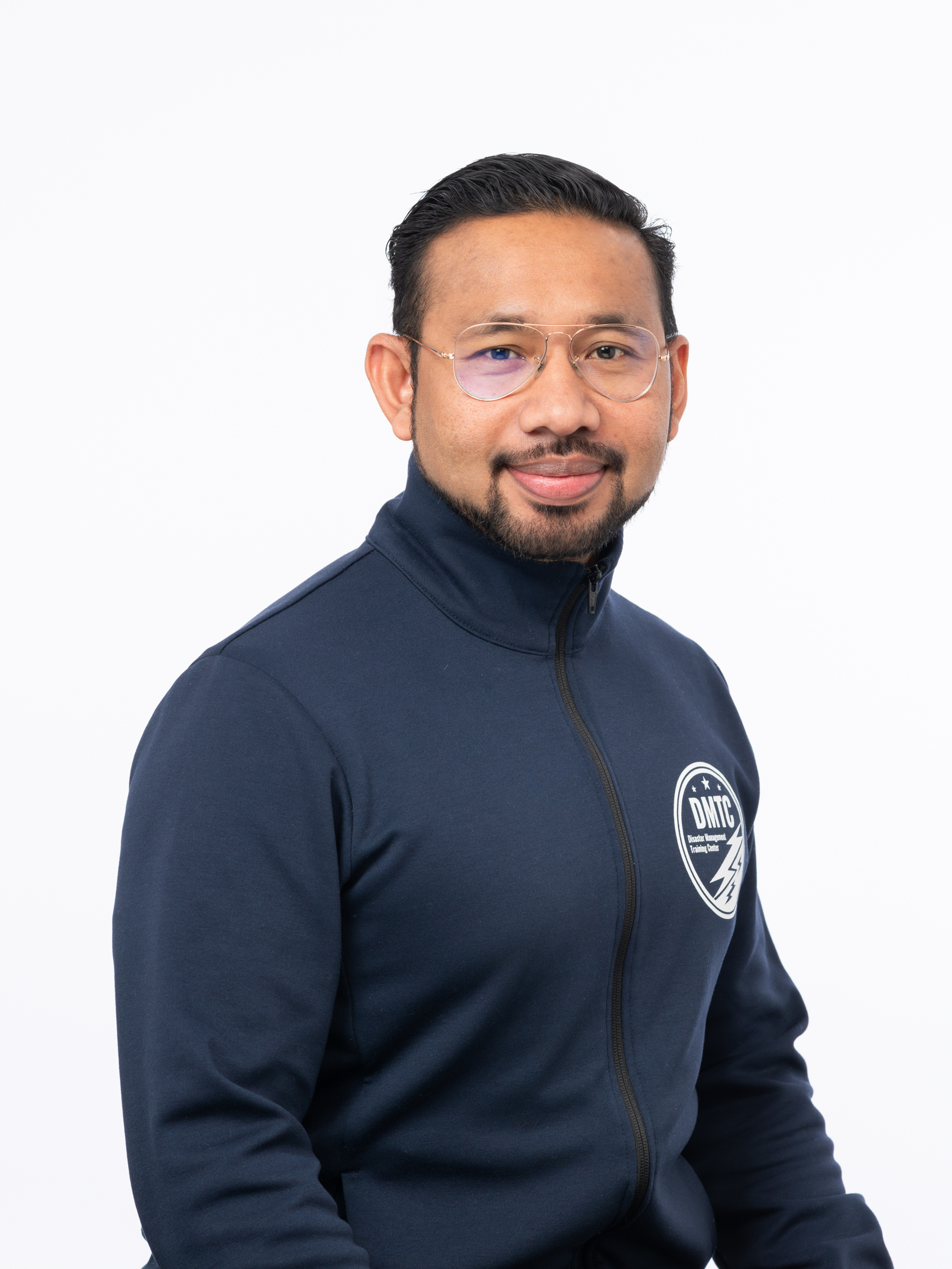
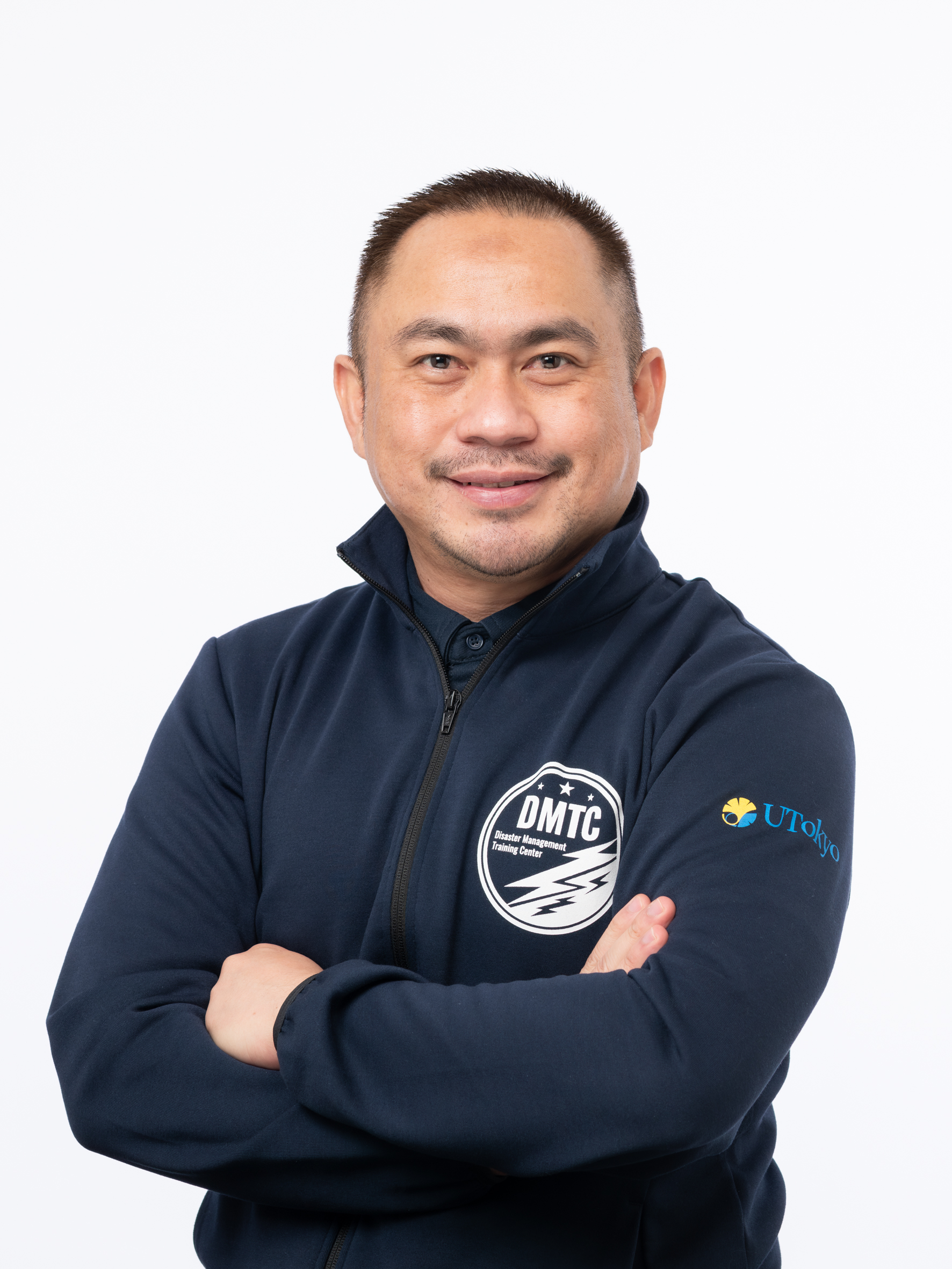
Participants














Project Title
BCP Development Guidelines for Critical Infrastructure Protection
Core Concept
Mandating and standardizing Business Continuity Plans (BCP) for 495 nationally critical facilities to ensure continuity of essential services during large-scale disasters.
Applied Japanese Knowledge
Applied Japan Cabinet Office’s Business Continuity Guidelines and private-sector BCP development practices to design a nationally standardized framework adaptable across multiple infrastructure sectors.
Project Title
Civil Defense Secretariat Field Guide for State and District Levels
Core Concept
Establishing an operational field guide to standardize EOC secretariat functions and shift disaster response from reactive to proactive operations at subnational levels.
Applied Japanese Knowledge
Integrated Prof. Numada’s Disaster Response Process Management approach and the 47 Disaster Response Processes into a practical, checklist-based field manual.
KHAIRUL AZUWAN BIN IBRAHIM
Ministry of Housing and Local Government, Bomba
Project Title
Metropolitan Fire Brigade (MFB) Implementation Guidelines
Core Concept
Introducing certification standards and Terms of Reference (ToR) for metropolitan fire stations to ensure consistent quality and preparedness in major urban areas.
Applied Japanese Knowledge
Adopted the Tokyo Fire Department’s Self-help, Mutual-help, Public-help framework and Japanese urban risk assessment methodologies.
Project Title
Enhanced Response Framework for Mass Rescue Operations (MRO)
Core Concept
Reforming institutional frameworks to classify major maritime accidents as national disasters and enable public–private mass rescue systems.
Applied Japanese Knowledge
Applied the Self-help, Mutual-help, Public-help concept to maritime rescue, emphasizing mutual assistance by nearby vessels as an operational resource.
MUHAMAD SAFID BIN SAAD
Ministry of Natural Resources and Environmental Sustainability, JMG
Project Title
Airborne Geophysical Survey Guidelines for Geological Hazard Risk Assessment
Core Concept
Standardizing airborne geophysical survey technologies and data utilization to identify active fault risks in the Northern Economic Corridor (NCER).
Applied Japanese Knowledge
Applied Japan’s “Know your enemy, know yourself” disaster philosophy and hazard map utilization practices developed by NIED and JMA.

MOHD FAIZ BIN AHMAD ROSHDI
Ministry of Natural Resources and Environmental Sustainability, JMG
Project Title
Land Subsidence Monitoring in Kuala Langat District
Core Concept
Integrating land subsidence monitoring systems with urban planning to protect critical national infrastructure, including the KLIA area.
Applied Japanese Knowledge
Referenced Tokyo and Osaka’s land subsidence countermeasures and groundwater regulation models to design policy–technology integration.
SITI SALEHA BINTI SOFIAN SURI
Ministry of Science, Technology and Innovation, Atom
Project Title
Radiological Disaster Management Field Guide (RDMFG)
Core Concept
Developing operational procedures for complex radiological disasters triggered by natural hazards such as floods.
Applied Japanese Knowledge
Mapped Japan’s 47 Disaster Response Processes onto the Incident Command System (ICS) to clarify roles and response sequencing.

Project Title
Strategic Data Guidelines for National Disaster Information Management
Core Concept
Designing a two-layer national platform integrating cross-ministerial disaster information (NDIP) and command management (NEOCS) to “leave no one behind.”
Applied Japanese Knowledge
Incorporated Cabinet Office ISUT concepts of SOBO (Information Sharing) and BOSS (Situation Assessment) systems.
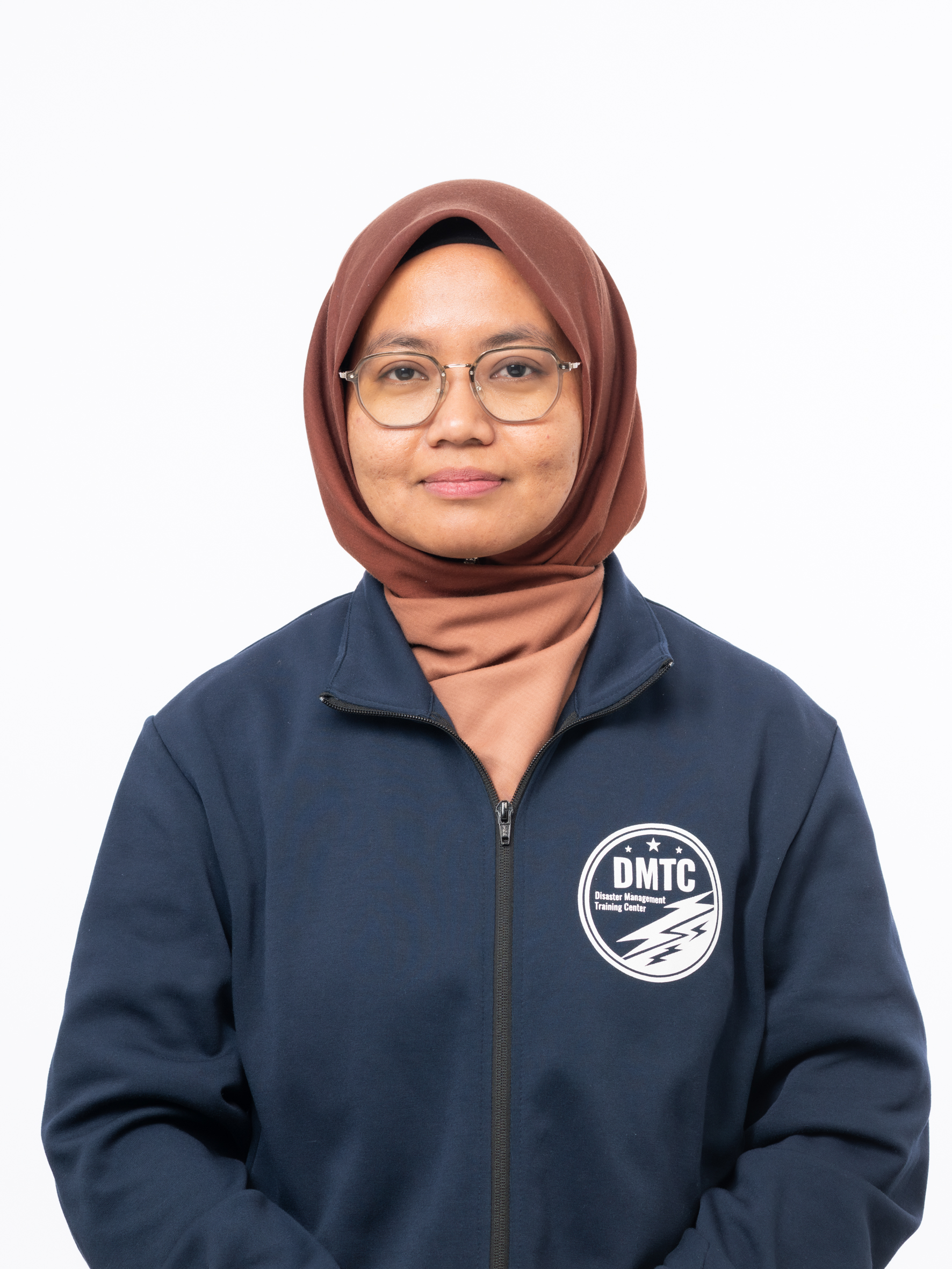
SITI MASAYU BINTI YAHAYA
Ministry of Science, Technology and Innovation, MYSA
Project Title
Space-Enabled Geospatial Disaster Analysis System (SEGDAS)
Core Concept
Establishing a national hub integrating satellite data and GIS to visualize and score industrial accident risks.
Applied Japanese Knowledge
Applied the Sendai Framework and NIED’s BOSAI Learning Loop, emphasizing annual update cycles and continuous improvement.
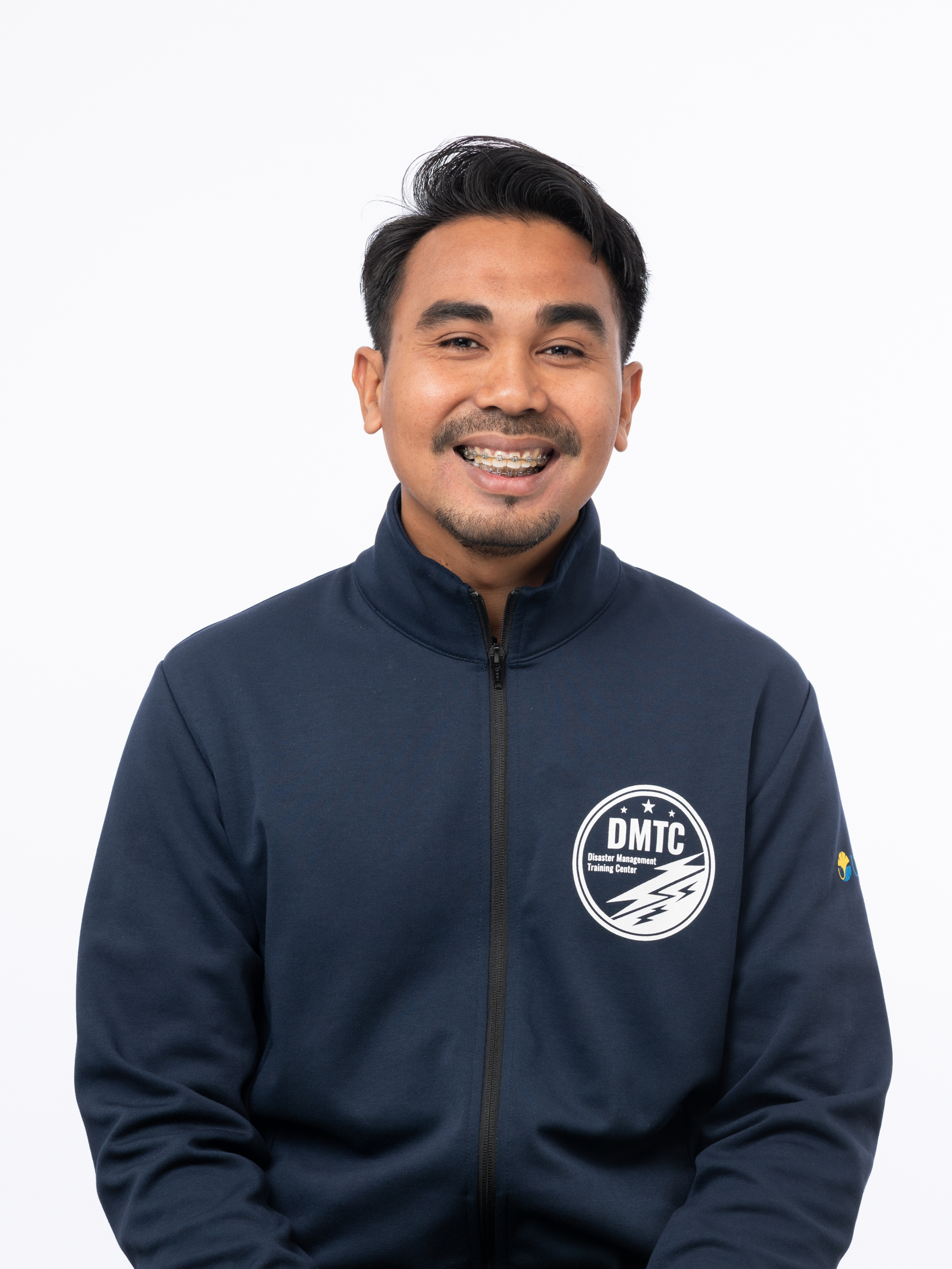
Abdul Shukor Bin Abdul Aziz
Ministry of Science, Technology and Innovation, Atom
Project Title
UAV-based Remote Radiation Monitoring System
Core Concept
Establishing SOPs for drone-based remote radiation dose mapping to reduce responder exposure risks.
Applied Japanese Knowledge
Applied the CSCA-TTT framework for disaster medicine and Japanese robotics technology applications.
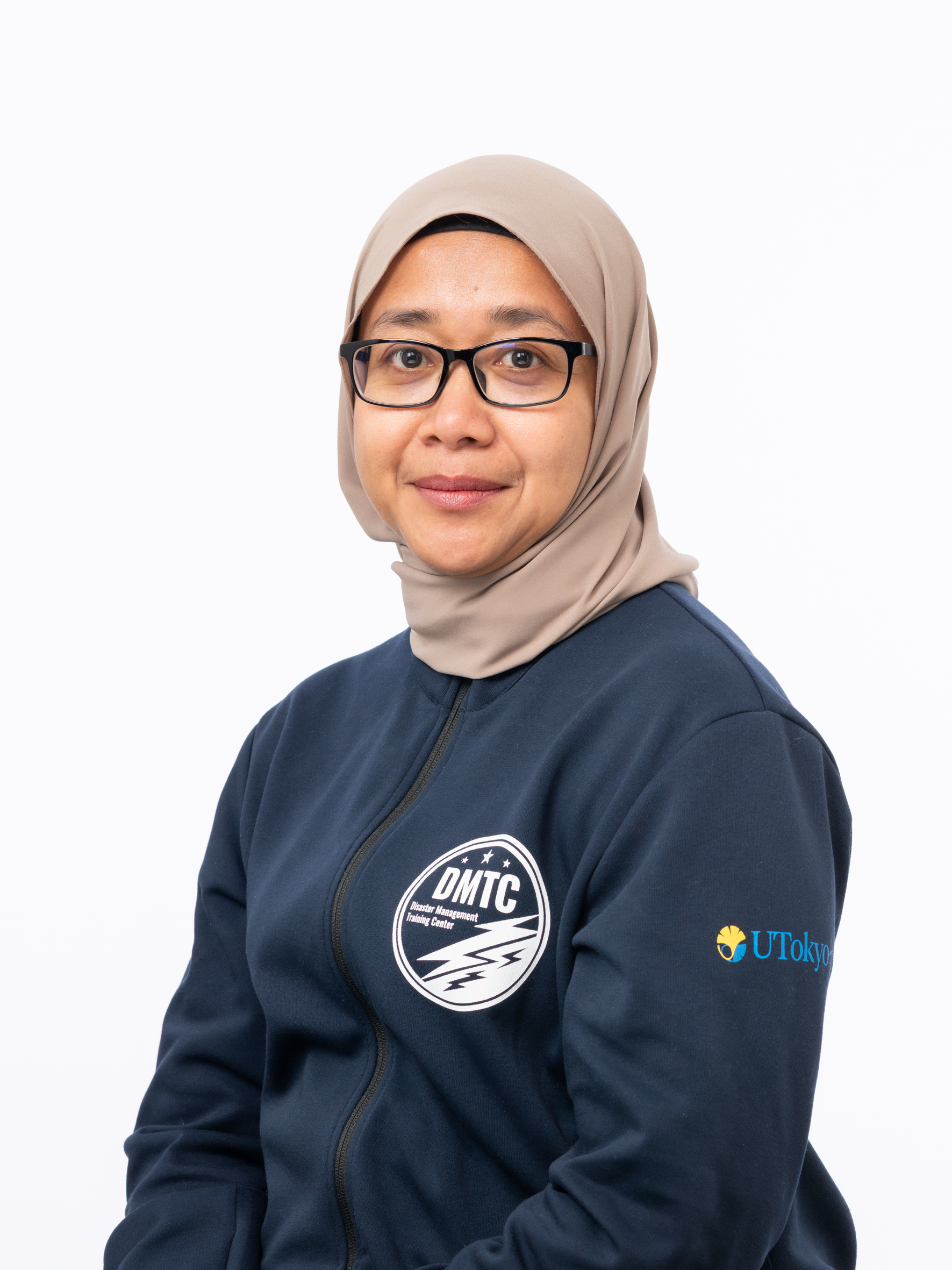
BISMAWATY BINTI HASSAN
Ministry of Science, Technology and Innovation, MYSA
Project Title
Flood-induced Rice Disease Early Warning Module (ADEW)
Core Concept
Detecting post-flood rice disease outbreaks using satellite imagery and delivering early warnings to farmers through existing systems.
Applied Japanese Knowledge
Learned from Niigata Prefecture’s rice disaster management practices and the Sendai Framework’s four priority areas.

Muhammad Fahmi Bin Zaharudin
Ministry of Agriculture and Food Security, MADA
Project Title
Seismic Monitoring and Risk Management for Large-scale Dams
Core Concept
Building real-time seismic monitoring systems and SOPs to manage fault risks at critical northern dams.
Applied Japanese Knowledge
Applied Japan’s Disaster-driven Evolution concept and dam safety management standards.

Project Title
Malaysia Emergency Medical Team (MyEMT) National Certification Package
Core Concept
Developing standardized curricula and certification systems for disaster medical teams aligned with WHO EMT standards.
Applied Japanese Knowledge
Referenced Japan’s DMAT rapid deployment and self-sufficient operational model.
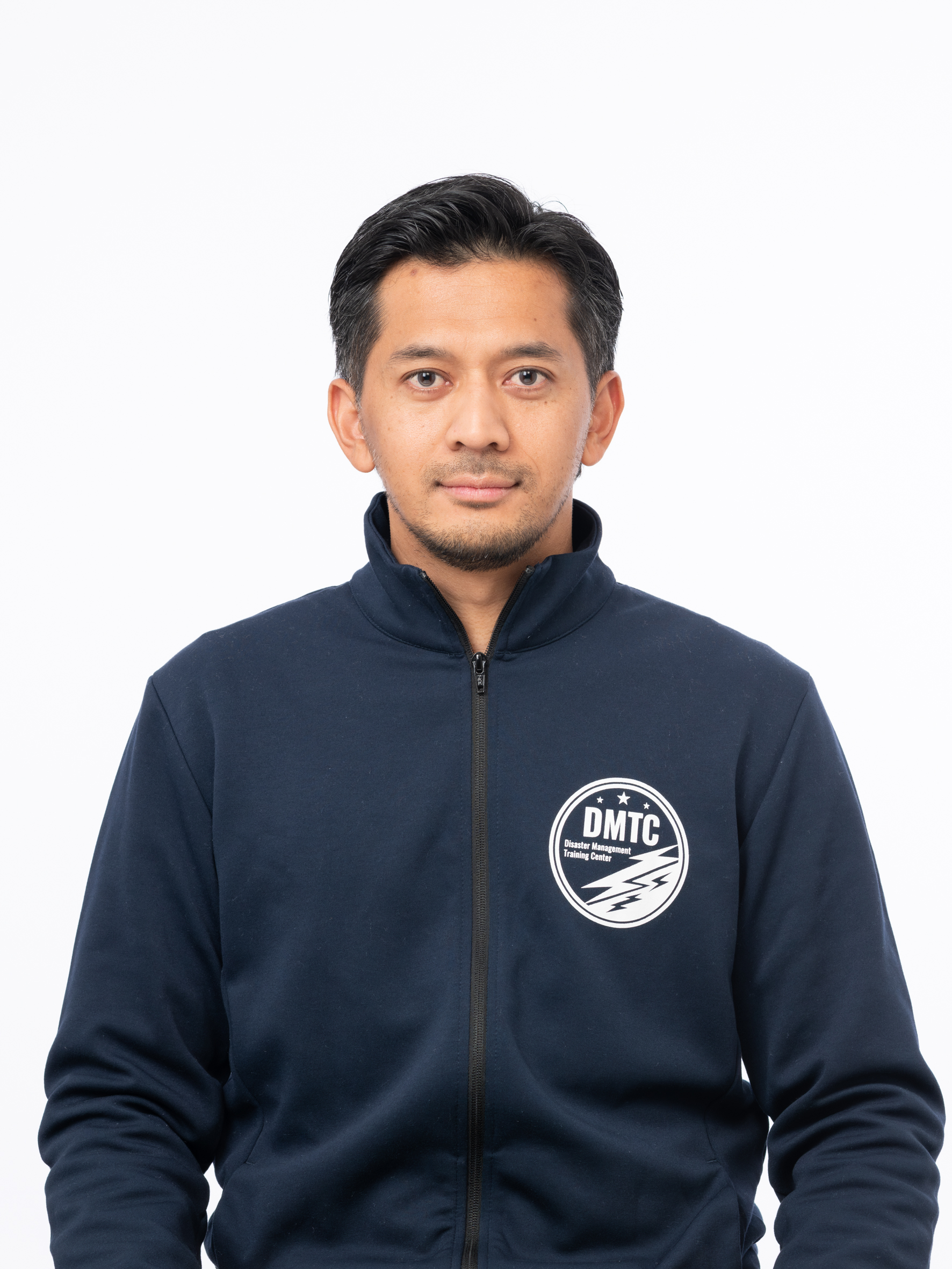
Nurrul Azle Bin Ab Jabar
Malaysian Civil Defense Force (MCDF), Prime Minister’s Department
Project Title
District-level Flood Response Guideline Handbook
Core Concept
Translating central disaster policies into concrete, field-level actions for district flood response operations.
Applied Japanese Knowledge
Applied DRI’s Institutional Memory preservation approach to retain operational knowledge.
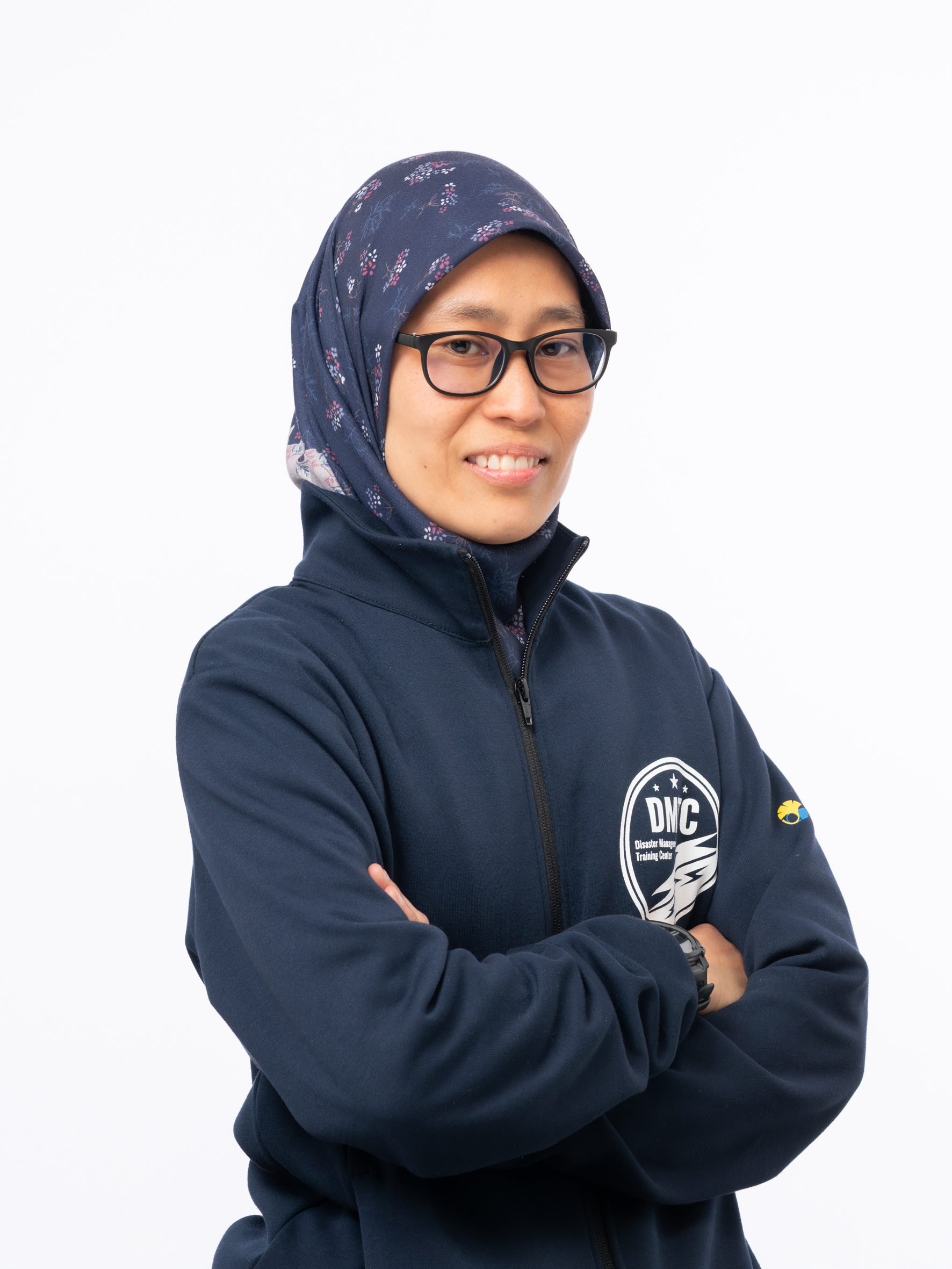
AZILA BINTI HAJI AMRAN
Department of Environment (DOE), Ministry of Natural Resources and Environmental Sustainability
Project Title
The Kyojo Project: Building Resilient Coastal Community in Malaysia
Core Concept
Creating community-based monitoring and first-response teams to address the critical time gap before official support arrives especially when involving mysterious spill from unknown source of pollution. This project introduces a proactive, community-centric defense model and it is expected to reduce the dependency of government financial supports in a long run.
Applied Japanese Knowledge
Applied Japan’s Kyojo (Mutual-help) concept and Bousai Concept pilot demonstrations.
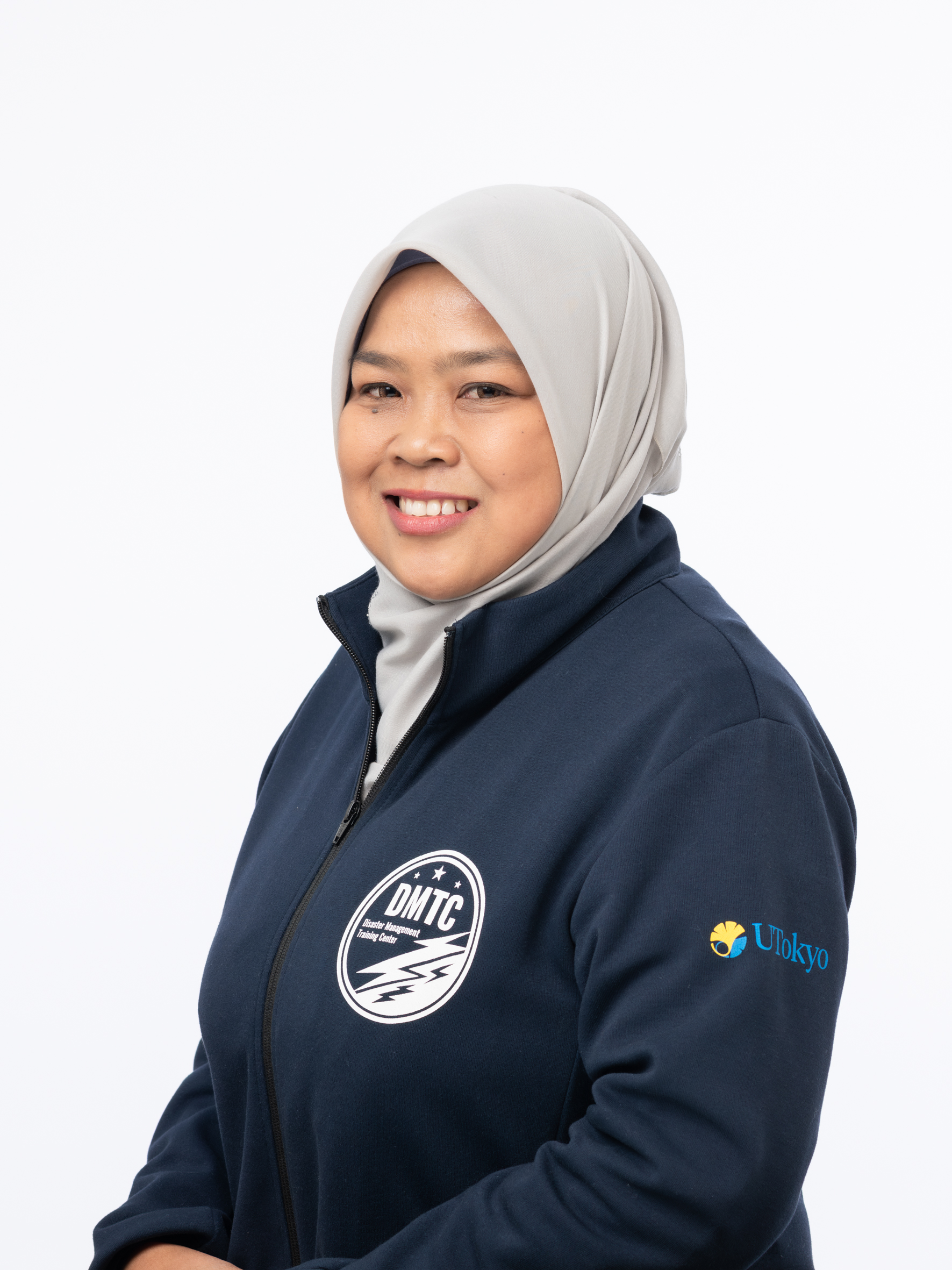
EMILY MIRZA BINTI KAMSARI
Social Welfare Department, Ministry of Women, Family and Community Development, JKM
Project Title
Community Leader Training for Temporary Evacuation Center (TEC) Management
Core Concept
Developing leader training programs and manuals for community-led evacuation center operations.
Applied Japanese Knowledge
Adopted Japan’s Voluntary Disaster Prevention Organizations model and collaboration with UTokyo DMTC.
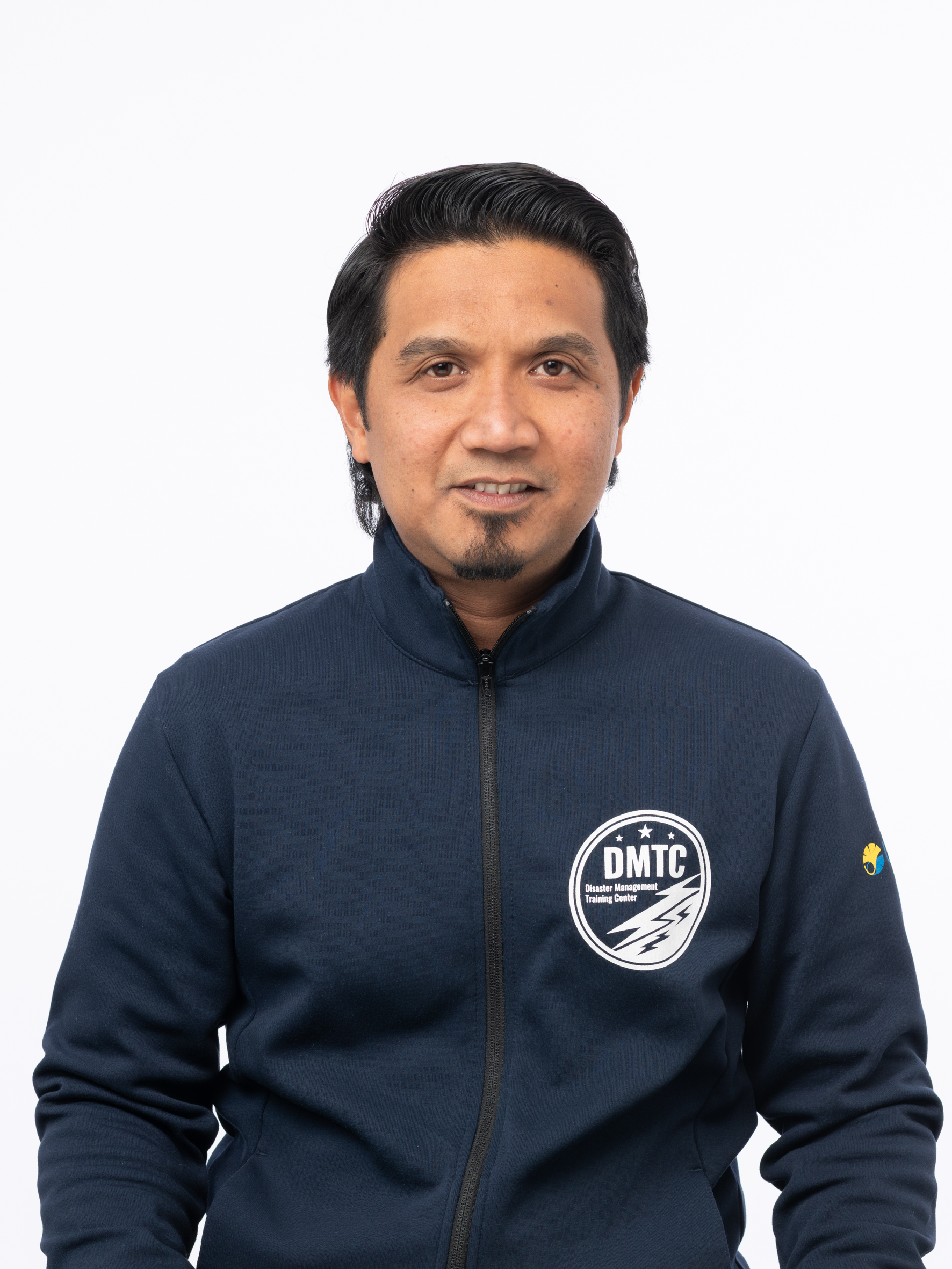
MOHD FAKHRUL AZIZIE BIN MOHD ZAID
Ministry of Education Malaysia (MOE)
Project Title
School Flood Preparedness Handbook and Go-Bag Kit
Core Concept
Developing student-led disaster preparedness tools and kits for nationwide dissemination across 10,000+ schools.
Applied Japanese Knowledge
Referenced Maiko High School’s Environmental Disaster Mitigation Course and MEXT guidelines.
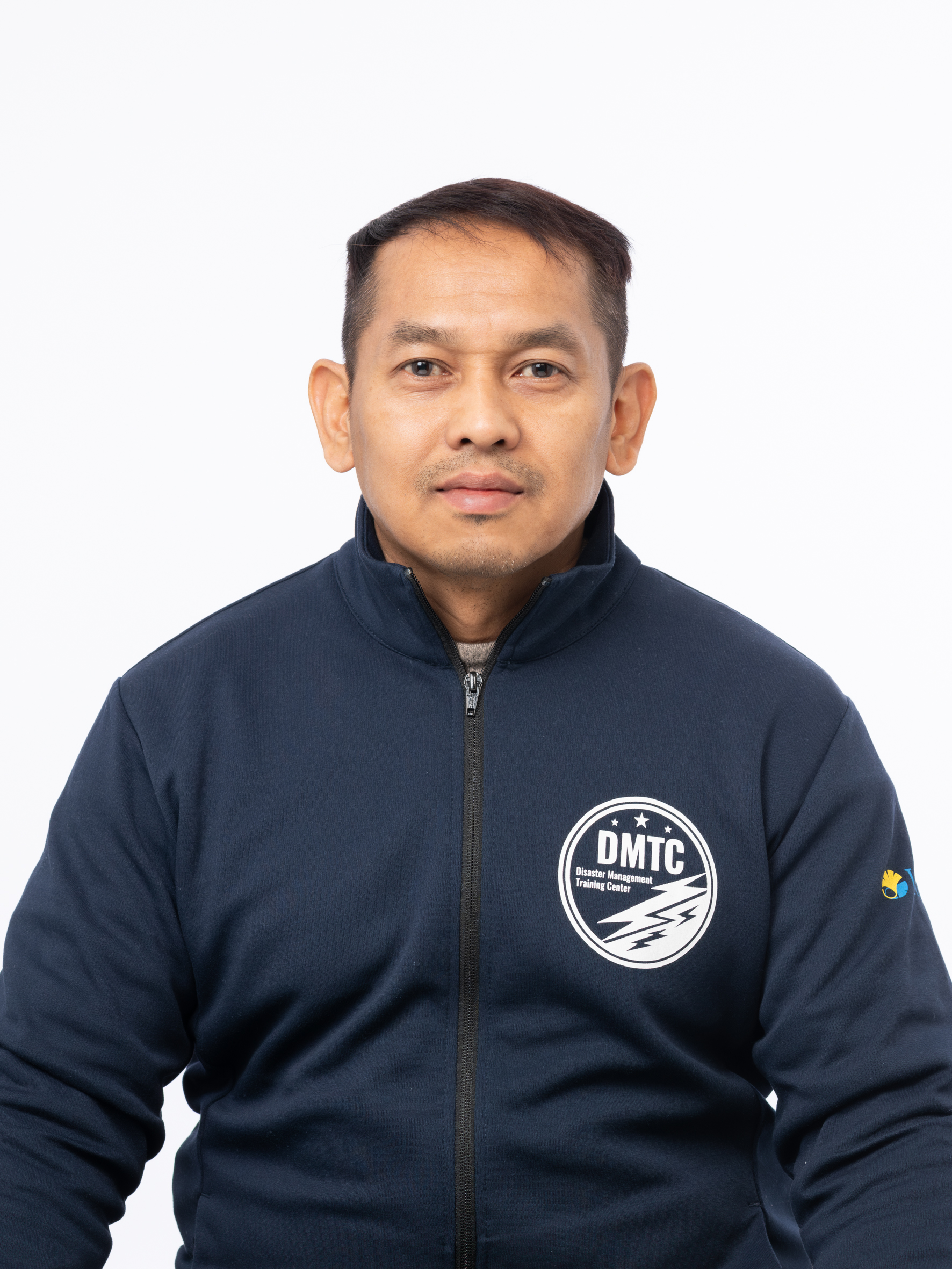
WAZIRUDIN BIN MAHFOT@MAHBOTT
National Disaster Management Agency (NADMA)
Project Title
Community Leadership Management Repository Tool (CLMRT)
Core Concept
Digitizing and visualizing community leader information to support sustainable disaster preparedness activities.
Applied Japanese Knowledge
Localized Japan’s BOSAI Spirit and community disaster preparedness record management practices.
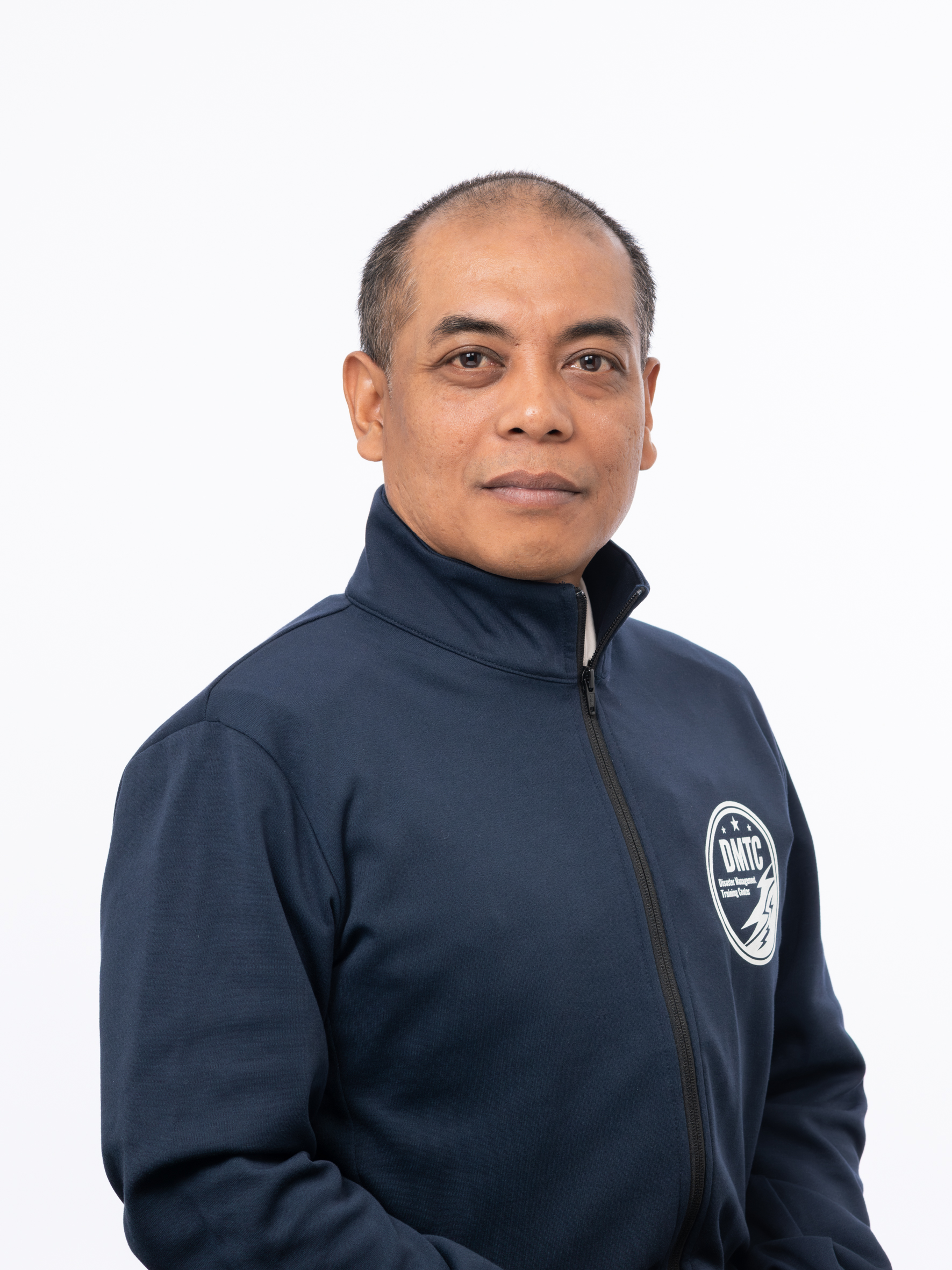
SABARODZI BIN HAJI NOR AHMAD
Ministry of Housing and Local Government, Bomba
Project Title
Incident Commander Development Program
Core Concept
Building a tiered, practical training system to strengthen field commanders’ decision-making capabilities.
Applied Japanese Knowledge
Applied Japan’s 47 Disaster Response Framework and INSARAG guidelines.
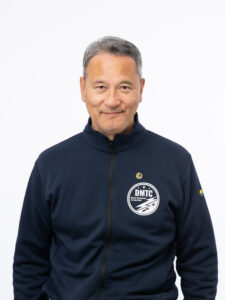
Program facilitator: Akihiro Hikita
Final results presentation video
The final results presentation was held at the Institute of Industrial Science, University of Tokyo on January 28, 2026.
The “Japanese disaster prevention knowledge (Japan DNA)” gained through lectures and visits in Japan
is reconstructed to suit Malaysia’s specific challenges and administrative context, and specific and practical solutions are proposed.
Assumes embedding YouTube videos
Report URL
List of posts related to the program